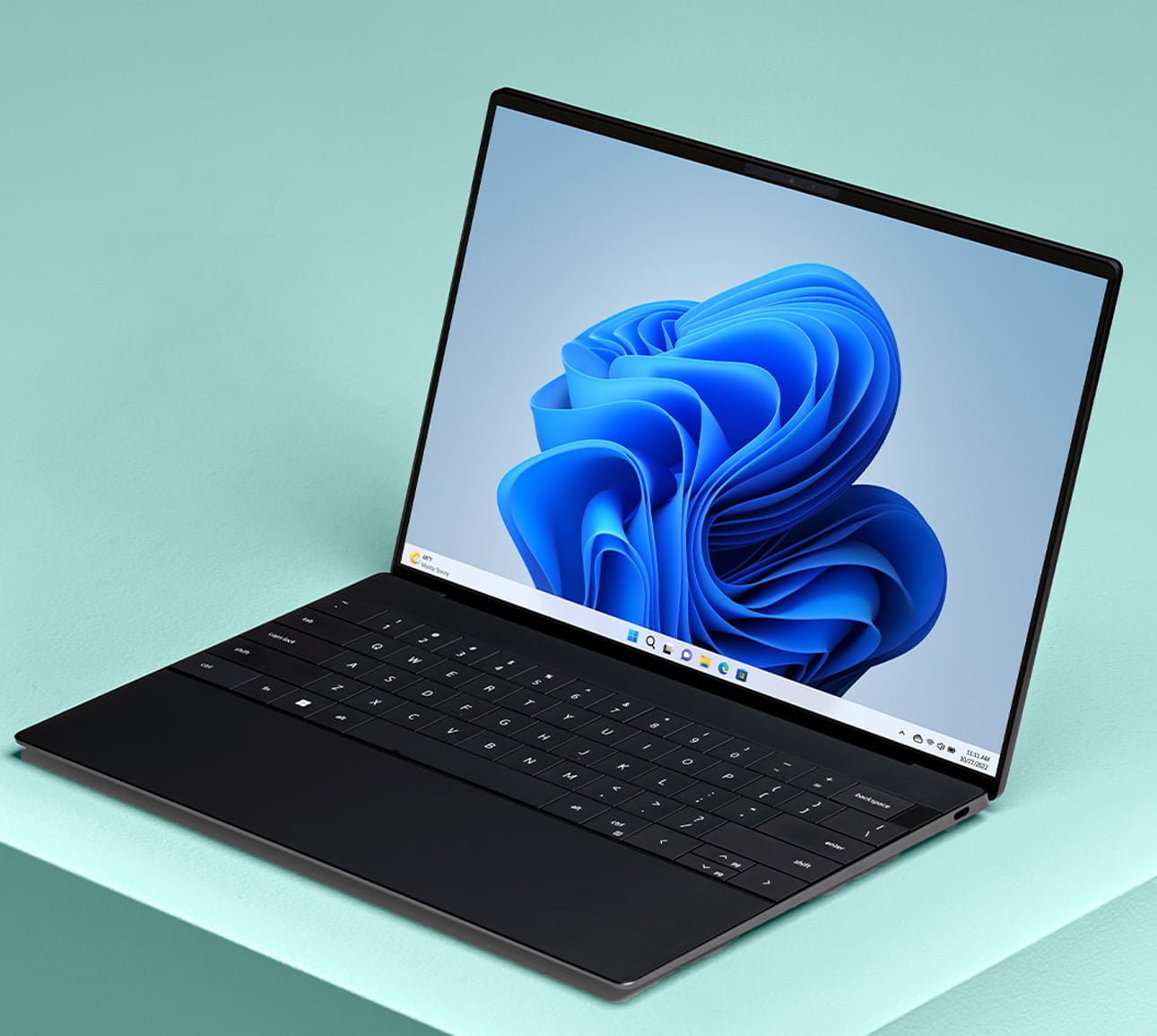
Windows 7 was no longer supported, and that meant the end of the age of licensing software. For individuals and businesses clinging to `windows 7`, the upgrade path to Windows 11 is not a simple re-installation--it's a migration to a fundamentally different digital paradigm. This change is evident from the way you purchase an windows11 lizenz to the way you protect your system and work with Office. Cloud-integrated licensing, digital licenses and ecosystem-wide security have replaced single-time-purchases, physical media or separate software suites. Navigating this transition requires understanding 10 crucial intersections that connect legacy methods and the current requirements and where the choices you make regarding your OS directly affect your security, productivity suite and the future capacity.
1. Hardware Gauntlet. The First Step.
Windows 11 hardware needs to be installed before you consider buying it (TPM 2.0 and Secure Boot using a modern CPU). Windows 7 machines from the past, especially those made prior to 2017, are more most likely to fail the test. This isn't an unintentional Microsoft cash-grab; it's an obligation to protect yourself. These functions form the "hardware base of trust" that modern defenses like Windows Defender and even third-party suites like `kaspersky premium` depend on. The use of unofficial ISO mods results in an unstable and unsupported system, which negates all security advantages that the upgrade can provide. The result is that you are with a greater risk of vulnerability than with Windows 7.
2. License Migration Myths: Your Windows 7 Key Is (Mostly) obsolete
Windows 10 has been activated by Windows 7 Pro keys in the past. Windows 11 does not have this grace period. The existing Windows 7 license, particularly if it was an OEM license tied to a motherboard that is no longer in use is not valid as an upgrade for a new Windows 11 installation on the same old hardware if it does not meet the specifications. You're beginning from scratch. As a result the search for windows lizenz kaufen will be a brand new task that requires you to begin from scratch.
3. The Office Licensing Revolution - From Standalone Licensing to Ecosystem.
If you use Office 2010 or Office 2013 on Windows 7 you are accustomed to a permanent "office license". The Office 2021 version of the modern version is dead on it's arrival. It's only getting security patches and no new features. The upgrade path for productivity is now the subscription to Microsoft 365. This is a huge change that you're not just upgrading Office and Office 365, but you're also getting an entirely new cloud identity (Azure Active Directory) with 1TB OneDrive storage, and enabling real time collaboration. You need to reconsider your old practice of purchasing Office licenses every ten years instead of making it a regular operating expense that includes upgrades and services.
4. Security is not a secondary concern. It's time to alter the paradigm.
Windows 7 likely had a strategy that included a third-party anti-virus suite like the older Norton 360. Windows 11 changes the game. Windows Security Defender, the integrated security software that comes with Windows 11, is a top-of-the-line solution that works with cloud services. Installing your old third-party suite can create problems and slowdowns in performance. If you're upgrading, it's a great moment to reevaluate. Do you require a different package like kaspersky premium, or does Defender, coupled with the advanced security features of your hardware can provide enough protection? The answer is contingent on the threat model you are using however the notion that you need to purchase an additional antivirus is no longer always the case.
5. The "Clean Install" Imperative and Data Migration Strategy.
The upgrade in-place of Windows 7 to 11 is not allowed and could cause for instability. This should be a complete new installation. This requires a strict data transfer. This is the perfect time to adopt cloud-based backup strategies and to stop using local drives. Microsoft 365 is included in the subscription. The configuration of Known Folder Move - to backup Desktop, Documents or Pictures - during setup transforms data migration from a manual procedure, into an effortless and continuous cloud-based synchronization process. Your data becomes user-centric instead of PC-centric.
6. The Professional Feature Crossroads : Pro is now the Minimum.
If you've used Windows 7 Professional for domain join, BitLocker, or Remote Desktop hosting, you need to purchase the Windows 11 professional version. A `windows 11 home keyis a fatal error for any professional or business use. Home is not compatible with BitLocker as well as has no Group Policy editor, and it is not able to join domains. If you are moving from Windows 7 Pro to Windows 11 Pro then you will need a Microsoft 365 Business subscription or a Retail license is the only option to keep professional features and data security.
7. Beware of the Grey Market Siren Call During Transition.
The urgency to upgrade and the sticker shock of new licenses prompt many to seek cheap `windows 11 oem` keys from gray markets. This is a huge mistake to make in a time of transition. The keys you purchase are not trustworthy and can leave you with a shaky base to construct an entirely new system. Investing into a retail license or a subscription which includes Windows (like Microsoft 365 Business) gives you assurance and direct assistance as and a possible upgrade option. The price of a gray-market crucial aspect is the loss of all data and your time when it is eventually deactivated.
8. Future-Proofing through the Cloud: The Server Connection.
Windows 7 machines that were part of domain networks could be replaced by a server like windows 2025. Modern integration here requires not just Windows 11 Pro, but also a grasp of cals` (Client Access Licenses). Cloud-based solutions include Azure Active Directory, included with Microsoft 365 Business plans. It's crucial to look at the options you have when it comes to upgrading to Windows 7. Do you invest in on premise servers and licenses, or do you move to cloud identity and device (Intune), which is available as a subscription. Both paths differ in terms of licensing and costs.
9. Driver Archaeology and the need for an Modern Hardware Base.
Windows 7 was successful because of a huge library legacy drivers. Windows 11 relies on the most recent drivers from Windows Update, many of that are cloud-based. Windows 7 may be the only option for certain hardware (old scanners and scientific instruments, for example.). The upgrade test must contain an exhaustive hardware compatibility test. This can reveal that the upgrade actually requires new hardware. So, a brand new PC with pre-installed Windows 11 OEM is the most efficient secure, stable, and reliable choice.
10. The shift in the philosophy: from ownership to access and management.
The upgrade from Windows 7 represents a change in the way you think about things. The upgrade is about moving away from a system of owning static software (`windows 7` DVD or Office 2010 box) to one of signing up to a continuously updated service or purchasing a digital license with strict transfer regulations. Security evolves. From a standalone antivirus, to an integrated security solution that relies on hardware. Your data is transferred from local storage into the cloud. Embracing this holistic change--through legitimate Windows 11 Pro licenses, the Microsoft 365 subscription, and leveraging modern security--is the only way to ensure that the upgrade is not only the latest OS, but a resilient modern, efficient, and manageable computing platform for the coming decade. View the recommended windows 11 lizenz for website examples including visio download, windows server 2016 os, windows and office, office 2019 professional plus, windows office, windows server software, microsoft office key, windows and office, office key, microsoft office software key and more.

The True Cost Of Software: Why A Legit Windows License & Antivirus Save Money.
In this digital age, short-term software savings can result in a long-term financial catastrophe. A windows OEM from the grey market or Kaspersky premium antivirus isn't worthy of investing in the cheapest key. The total cost of ownership is what is the most important factor in determining the value of software. TCO includes the costs of security breaches, data loss as and downtime. An authentic "windows 11 license" as well as a high-quality security suite aren't expenses for companies or users who are serious as they are investments in infrastructure which offer real-time return on investment. This analysis deconstructs 10 hidden costs that create the "cheap alternative" incredibly expensive. It connects the dots between OS licensing and productivity software as well as servers infrastructure.
1. The Grey Market License Is a Liability and Not An Asset
Unauthorized sellers offering Windows11 lizenz purchases are responsible. Microsoft can deactivate all of these keys. They are typically volumes licenses, MSDN keys or keys which violate the rules. The initial cost is an OS that is not functional, but the actual cost is the unpredicted cost that will result from the hours of IT labor to salvage data, the cost of a legitimate license at retail prices under pressure, and the business downtime as a workstation that is critical becomes an impediment. This dwarfs the $30 "savings" that came with the initial key. A valid license, whether it's from a retailer or an OEM approved by the manufacturer is a reliable investment that can be trusted throughout the lifetime of the hardware.
2. OS Integrity determines the effectiveness of Security Software.
Antivirus packages like "norton 360" or "kaspersky premium" are based on the kernel and require an operating system that has a secure core. Grey-market Windows installations often make use of altered software or files to enable activation to evade verification. These modifications are usually classified as malware. They can destabilize your security program or create backdoors. You pay for a premium guard (kaspersky) and install them on the outside of a building where the architectural plans were given to criminals. The foundation that has been ruined by corruption impedes the effectiveness of your guard.
3. Time Bombs in Audit and Compliance: A Risk for Business.
An unlicensed business is playing Russian Roulette using audits. For a business that is running Windows server 2025that has the correct `cals` but with client PCs running grey market Windows audits, they can trigger a "true-up" charge for the retail price of each illegitimate desktop licence, plus potential penalties. The unexpected and unplanned investment in capital can be several thousand dollars. It could exceed all savings previously made. The legitimate license is an insurance policy against this existential financial shock.
4. Data Loss: The Biggest Unbudgeted Cost.
Security vulnerabilities that are not patched are the most common cause of ransomware, malware for data theft and other malware. Windows Updates are prone to breaking or delayed by non-authentic Windows. Systems are vulnerable if they do not receive regular security updates. The costs of ransomware attacks that include the ransom payments (which isn't guaranteed to be recovered) and the expense of IT Forensic services, the loss of data and the interruption of the business, can send small-scale businesses to the knees. The cost of a Windows 11 Pro license plus an anti-virus program of the highest quality costs a fraction of the monthly cost.
5. Productivity Stability of a Suite on a Fake Basis
Installing a genuine office licence on a non-original Windows installation, be it an ongoing office lizenz purchase or a Microsoft 365 subcription, is like building a house on fastsand. Office's activation and update are directly tied to the Microsoft ecosystem. If your system is corrupted or deactivated, Windows can break Office activation, which can result in lower functionality banners, the losing cloud sync and crashes. It's a waste dollars to purchase productivity apps that are operating on a platform that is built to fail. The ability to produce stable results is contingent on a legal, stable OS.
6. The IT Labor Multiplier a Fragmented or unofficial stack.
IT problems can be a result of managing a PC network that uses grey-market important products, uses a variety of antivirus options, and is not centralized in its management. Each issue is distinct and unsupported, taking a long time to diagnose. Take a look at the fleet equipped with Windows 11 Pro licensed computers, managed through Intune (included in Microsoft 365 Business), and a security console centrally controlled. The latter will reduce the time required to repair (MTTR) for issues by orders of magnitude. The "savings" on software licenses are directly converted into exponentially higher, ongoing labor costs for your IT staff or consultants.
7. The Upgrade Path Dead End and its Future Cost
The grey market windows 11 home key (or Pro key) does not provide a legitimate upgrade path. If you want to incorporate new hardware or upgrade to a 'Windows Server 2025' system the full license is required. This could be costly. A retail license that is legitimate is able to be transferred. Microsoft 365 subscriptions include continuous upgrade rights. The pricey key can trap you in a cycle of repurchasing. The genuine option provides a simple and cost-predictable route to take and protects the initial investment.
8. Performance Taxes of "Bargain" Software and Conflicts.
In order to activate grey-market Windows, illicit tools often run persistent background tasks that use CPU and RAM resources. This is incompatible with legitimate software and security tools. This "performance cost" can slow down trading platforms, creative suites as well as development tools. The time lost to slower performance--compounded over months and years--represents a significant, hidden cost in lost human productivity. A sane, reliable system makes sure that all hardware resources are used for your specific work.
9. Professional Reputation and Client Trust Deteriorating
Unlicensed software can be a huge risk to a business. If a client or a partner finds out you've cut corners with the software you use to run your business, it will cause irreparable damage to confidence. This could be a sign of disregard for legality. security and operational integrity. This could be a reason that makes a business ineligible for an auction or due diligence. Loss of contracts, the loss of partnerships, and damage to your brand are costs that are far greater than the price of an software license.
10. The Holistic ecosystem value vs. disconnected "savings".
For businesses, the best method is to build an ecosystem that is legitimate and includes all your applications and services. Microsoft 365 Business Premium is a good illustration. It provides the legitimate Windows 11 Pro, the most recent Office apps, 1TB of safe cloud storage, and also professional email as well as advanced security/mobile devices management for a predictable monthly fee. This eliminates the grey-market Windows hunt (`windows 11 kaufen) and the standalone office license kaufen and, in most cases, the requirement for an additional antivirus since it has the latest version of Defender. The TCO is clear, manageable, and legally sound. The "savings" that can be made by assembling illegal components are just a figment of the imagination. They vanish when you think about the risk, labor and losses. See the recommended office lizenz kaufen for blog advice including office key, microsoft project, office 2019, windows server 2019, micro soft outlook, office 2016 software, microsoft office 2019, windows and office, microsoft project, microsoft visio and more.